
MaisonMargiela/Folders
Exploring the Past, Present, and Future of Maison Margiela...


I’m always advocating for more transparency, honesty, and accessibility in the fashion industry. It’s the driving force behind everything I research and share on my platform. So, when my favorite brand of all time decided to open up its archive (after over six years of my own independent research) you can imagine my excitement. Then, when they reached out to me directly and asked me to write about it? Overjoyed is an understatement.
So, if you love fashion history like me, I want to introduce you to:
https://www.maisonmargiela.com/folders
What Margiela has created here isn’t simply an archive. It’s a platform that rethinks how we experience a brand’s history, ideas, and creative process. The project pulls back a curtain and invites us to engage with the structure behind it: the timelines, references, and working materials that usually remain hidden within studio walls.
THE FIRST WEBSITE
Before maisonmargiela/folders, there was Margiela’s first website.
The Maison’s original digital presence already hinted at this way of thinking. It mirrored the physical archive, functioning almost like a filing cabinet. The structure was deliberately flat, with sections like
/collections/
/stores/
/news/
/and was organized less like a traditional website and more like a Russian nesting doll, something to be discovered. In many ways, maisonmargiela/folders feels like a continuation of that original idea:
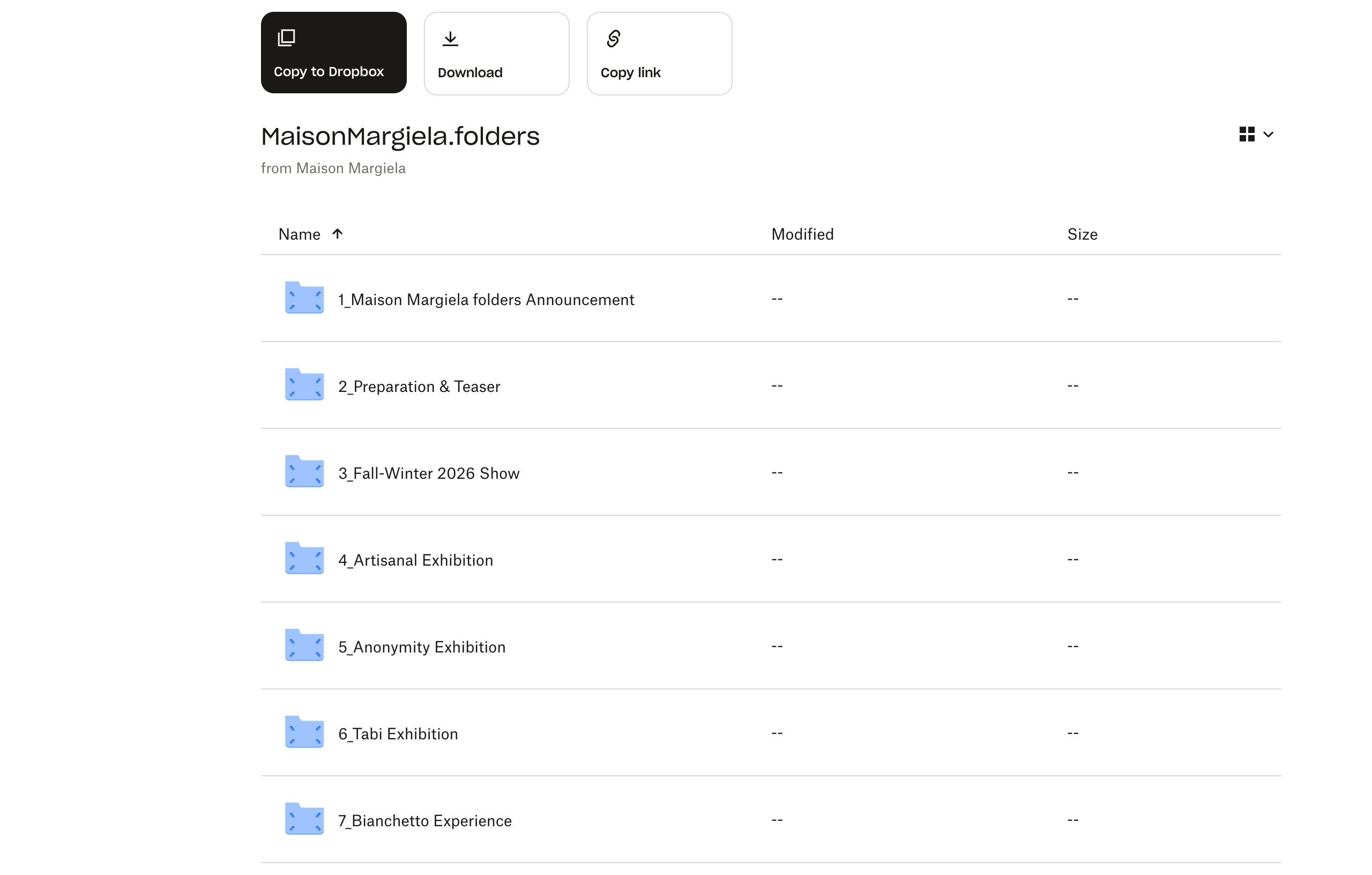
Today, the house has once again made those internal systems public. The same Dropbox-style folders used by the team; containing schedules, archival reference images, itineraries, timelines, and working documents, are now accessible to anyone. These are materials most fashion houses keep tightly controlled, precisely because they reveal how things actually come together. Margiela, of course, has chosen to do the opposite.
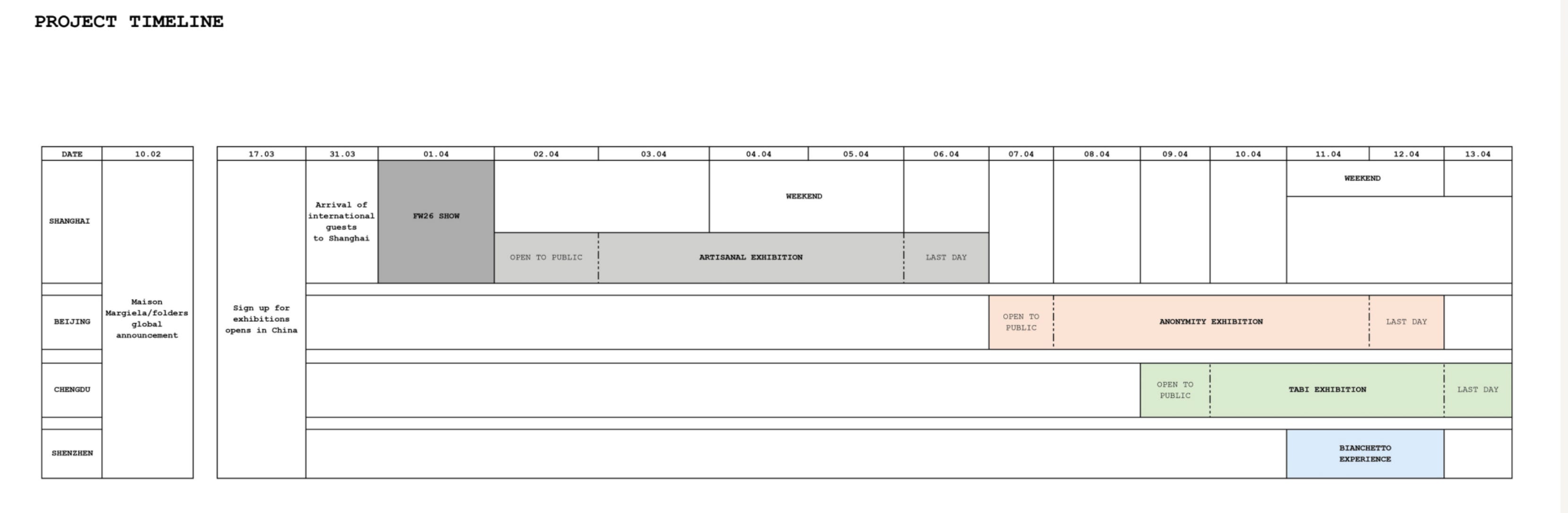
The release of these files coincides with the brand’s Fall–Winter 2026 show, set to take place in Shanghai on April 1 during Shanghai Fashion Week. But the runway is only the starting point. From there, the project expands across China through a series of public free exhibitions.
Each city will showcase a key Margiela code:
ARTISANAL: OUR CREATIVE LABORATORY EXHIBITION
Shanghai, April 2–6
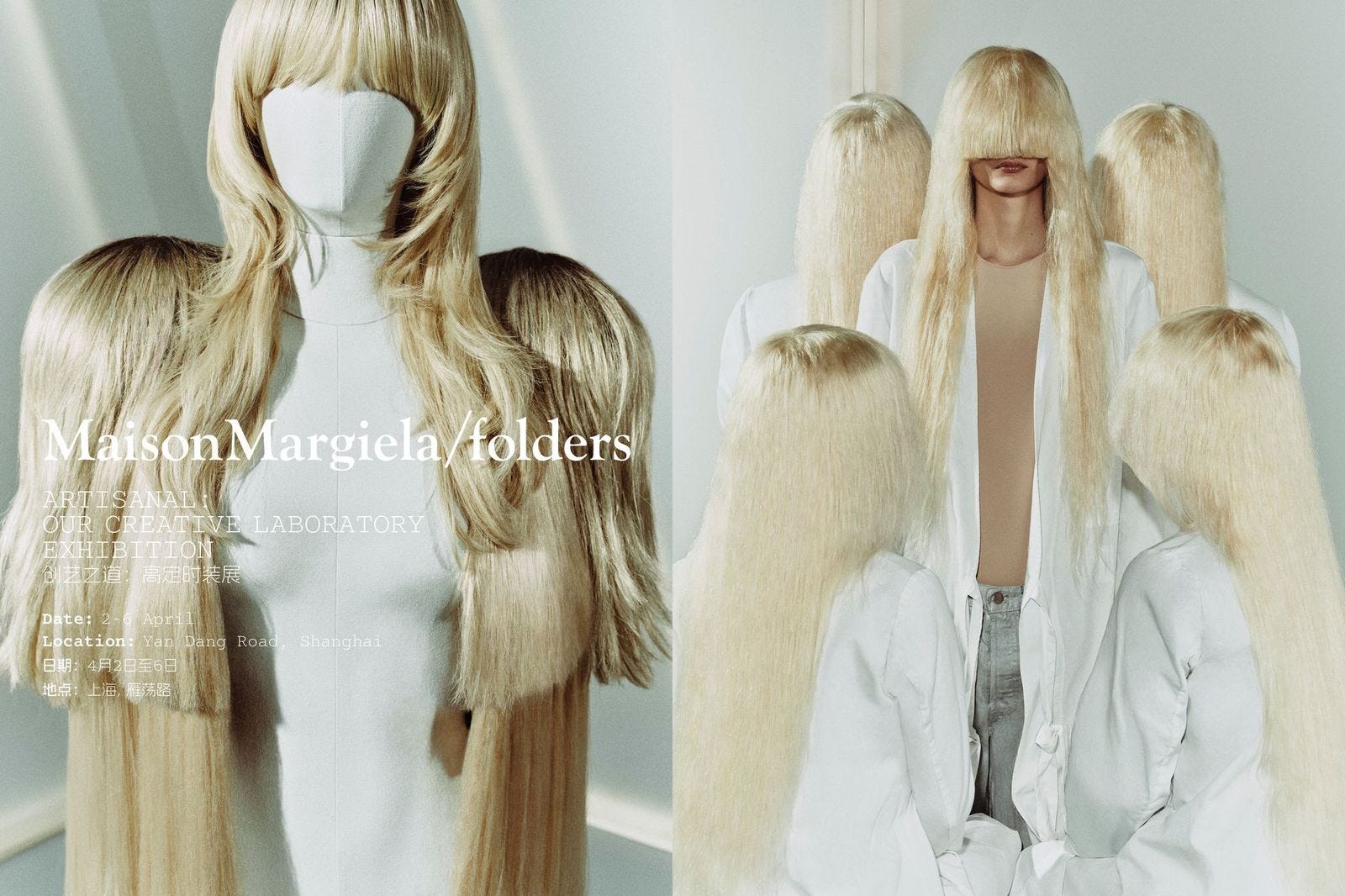
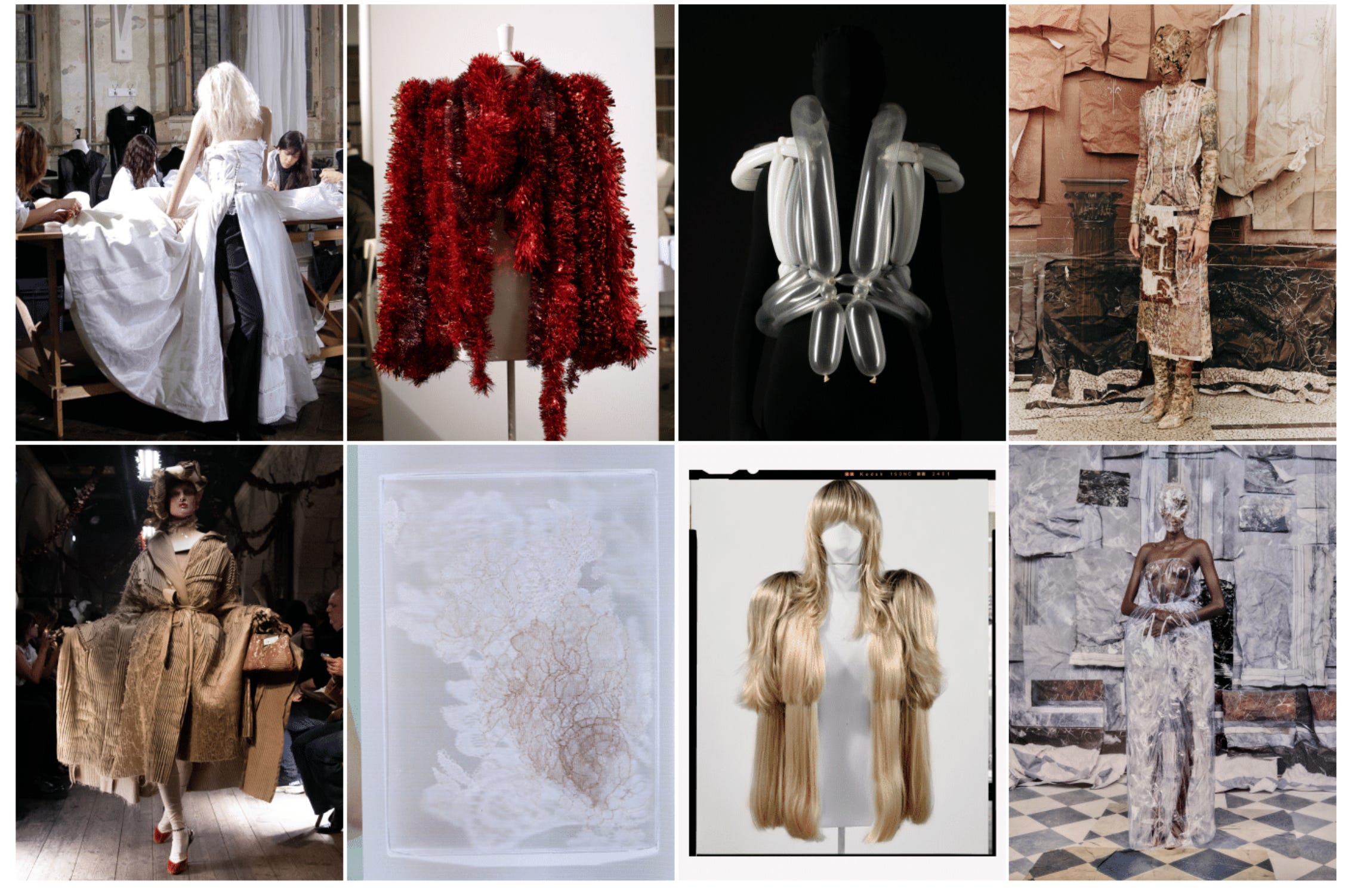
The first of four exhibitions focuses on Margiela’s Artisanal practice (its haute couture line) where the atelier becomes a kind of laboratory. Rather than presenting craftsmanship as polished perfection, the exhibition foregrounds experimentation, highlighting the processes that have long defined the house’s approach to reconstruction, material transformation, and handwork. It offers a deeper look into how Margiela elevates the everyday, transforming the mundane into something extraordinary.
ANONYMITY: OUR HISTORY OF MASKS EXHIBITION
Beijing, April 7–12
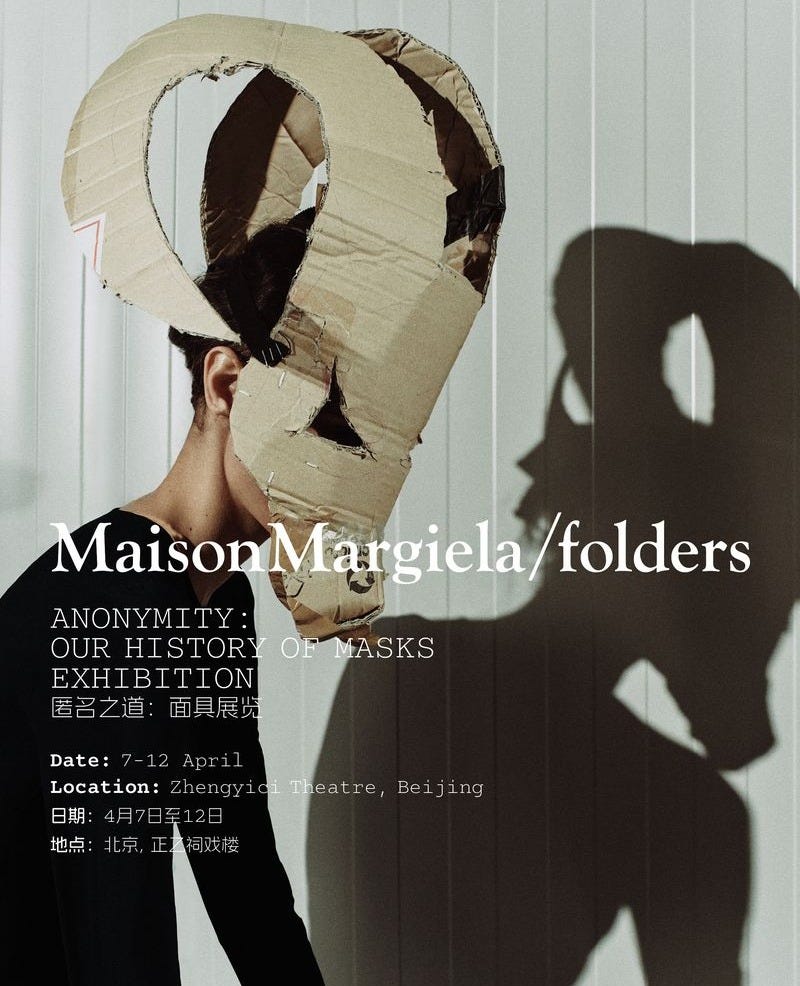
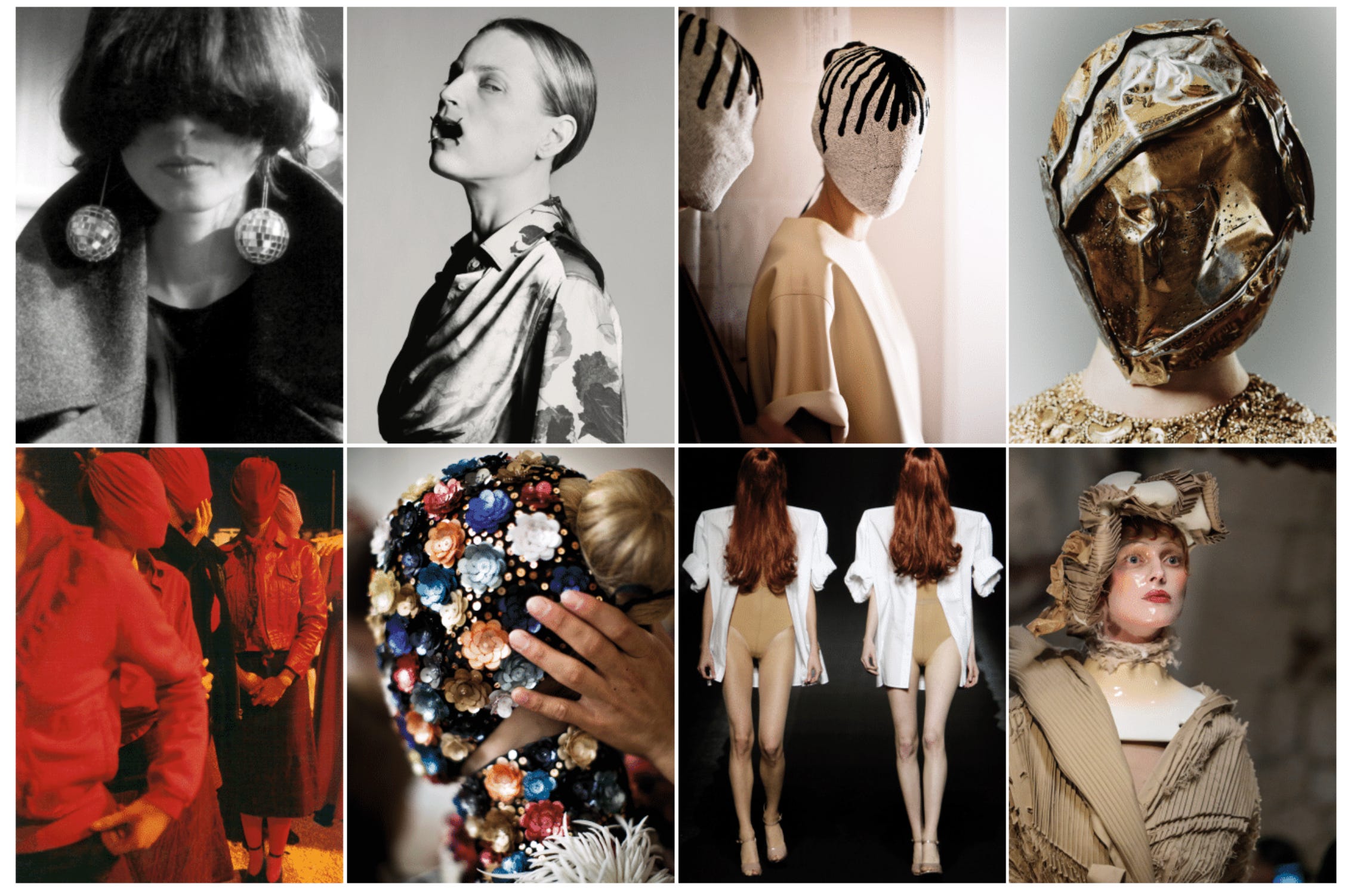
In Beijing, the focus shifts to Anonymity, one of the house’s most radical ideas. Margiela has consistently challenged fashion’s obsession with authorship and visibility. The exhibition will trace this history, examining how absence itself became one of the house’s most powerful creative tools through the use of masks, obscured identities, and the refusal of authorship.
TABI: COLLECTORS EXHIBITION
Chengdu, April 9–13
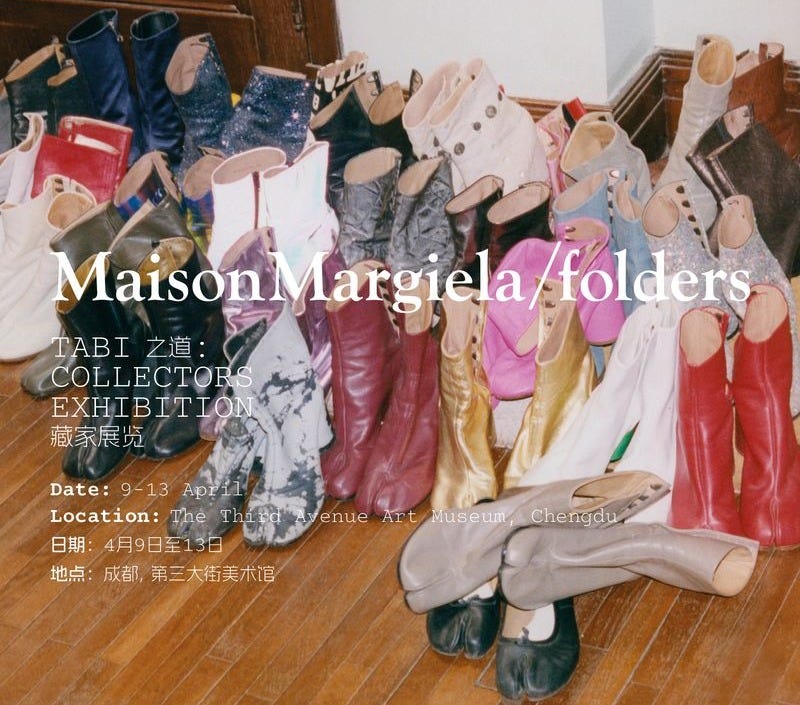
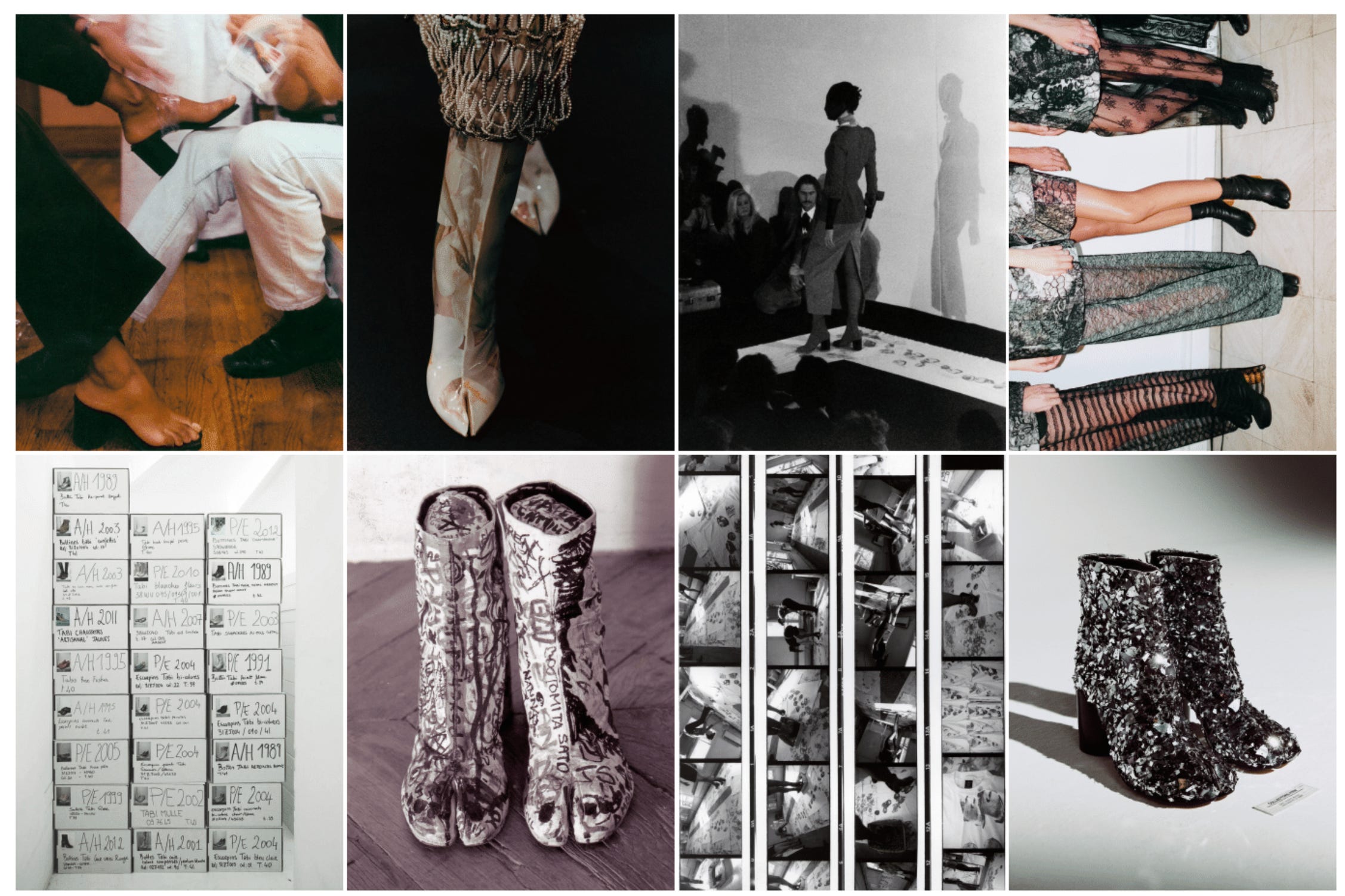
Few objects in fashion are as recognizable as the Tabi. In Chengdu, the split-toe silhouette is explored not simply as a product but as a cultural artifact, one that originated in Japan, but has since travelled across decades, collections, and interpretations. The exhibition looks at how the Tabi became a symbol of disruption within footwear design and one of the house’s most enduring signatures.
BIANCHETTO: ATELIER EXPERIENCE
Shenzhen, April 11–12
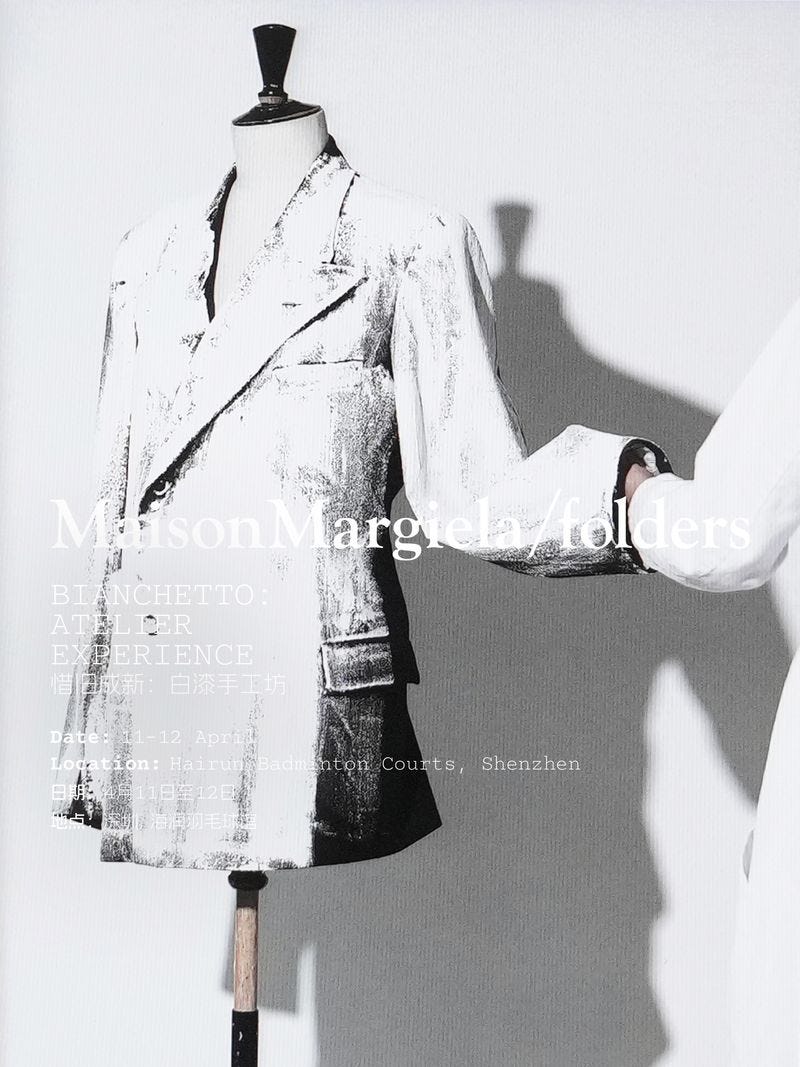
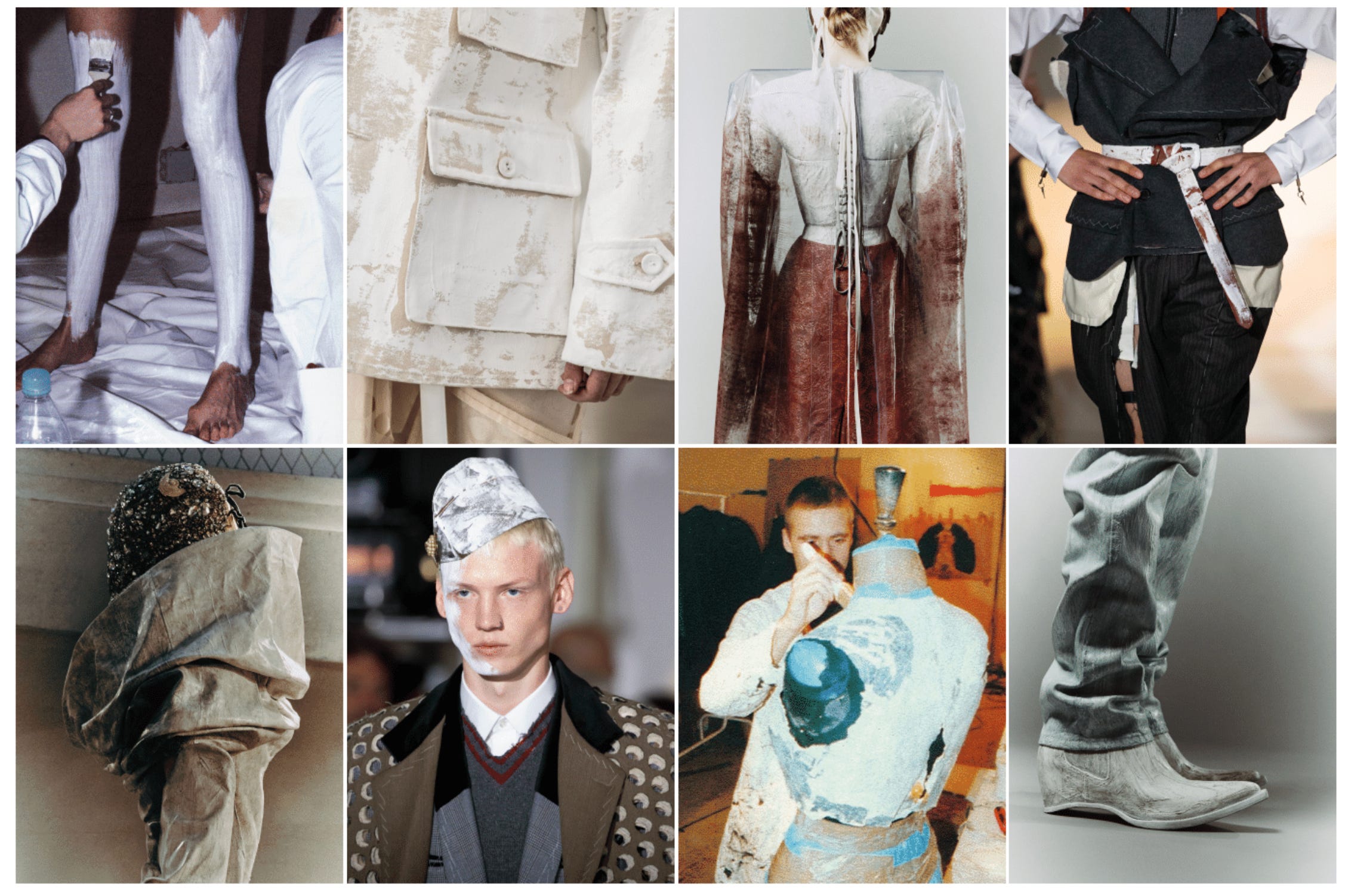
The Shenzhen exhibition focuses on Bianchetto, the white paint technique Margiela often uses to coat garments, objects, anything really. Far from representing purity, the paint functions more like a protective layer. Something that both conceals and reveals over time as it cracks, fades, and wears away. In this context, Bianchetto becomes a meditation on transformation, memory, and the passage of time within clothing.
—-
What’s particularly striking is that these exhibitions are free and open to the public. Registration begins today, March 17th, 2026 reinforcing the project’s larger message:
Fashion doesn’t have to operate through exclusion.